 Phone orders on 0208 088 2269/ £14.99 delivery for all orders
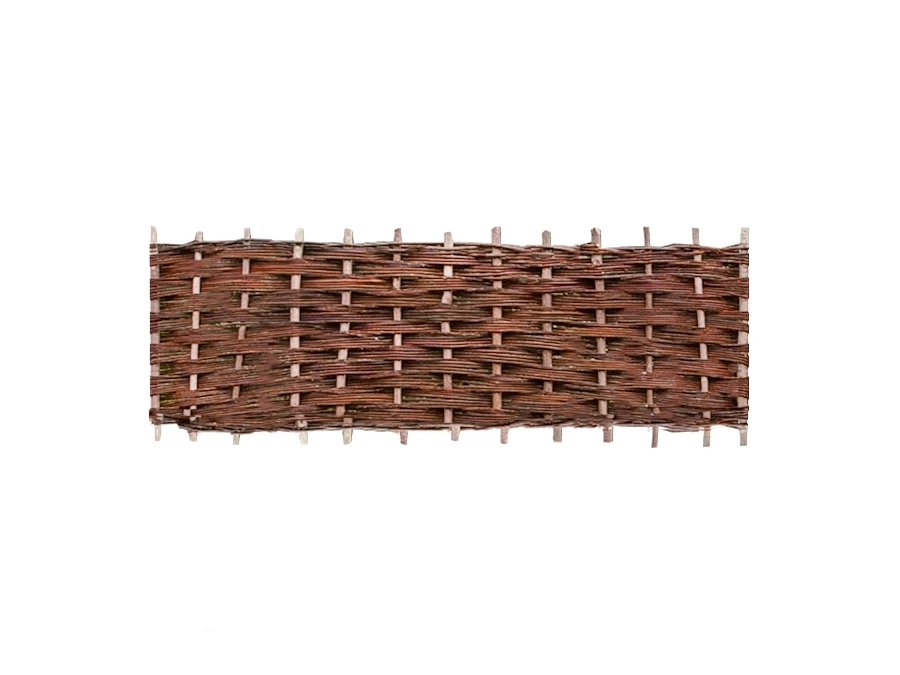
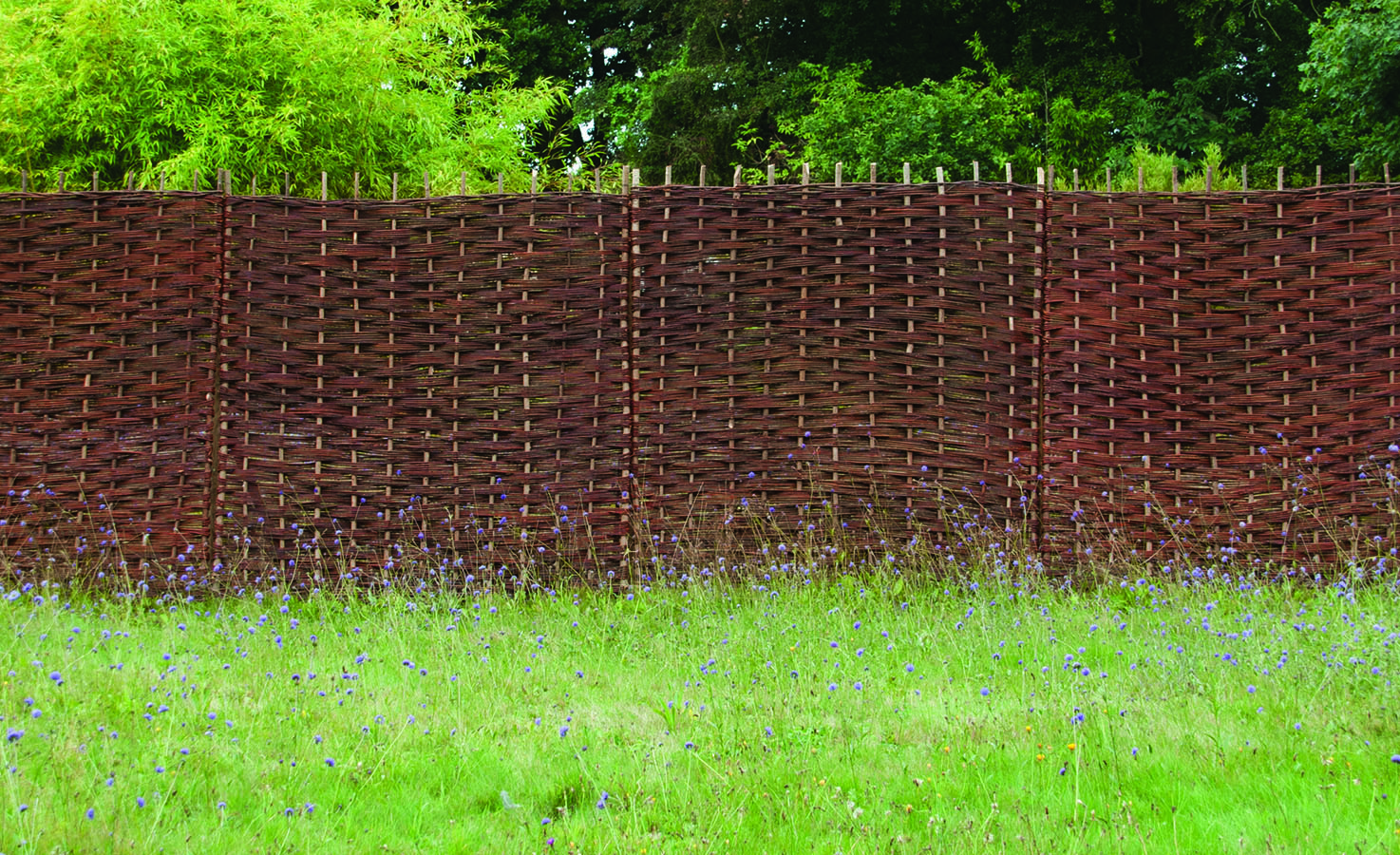
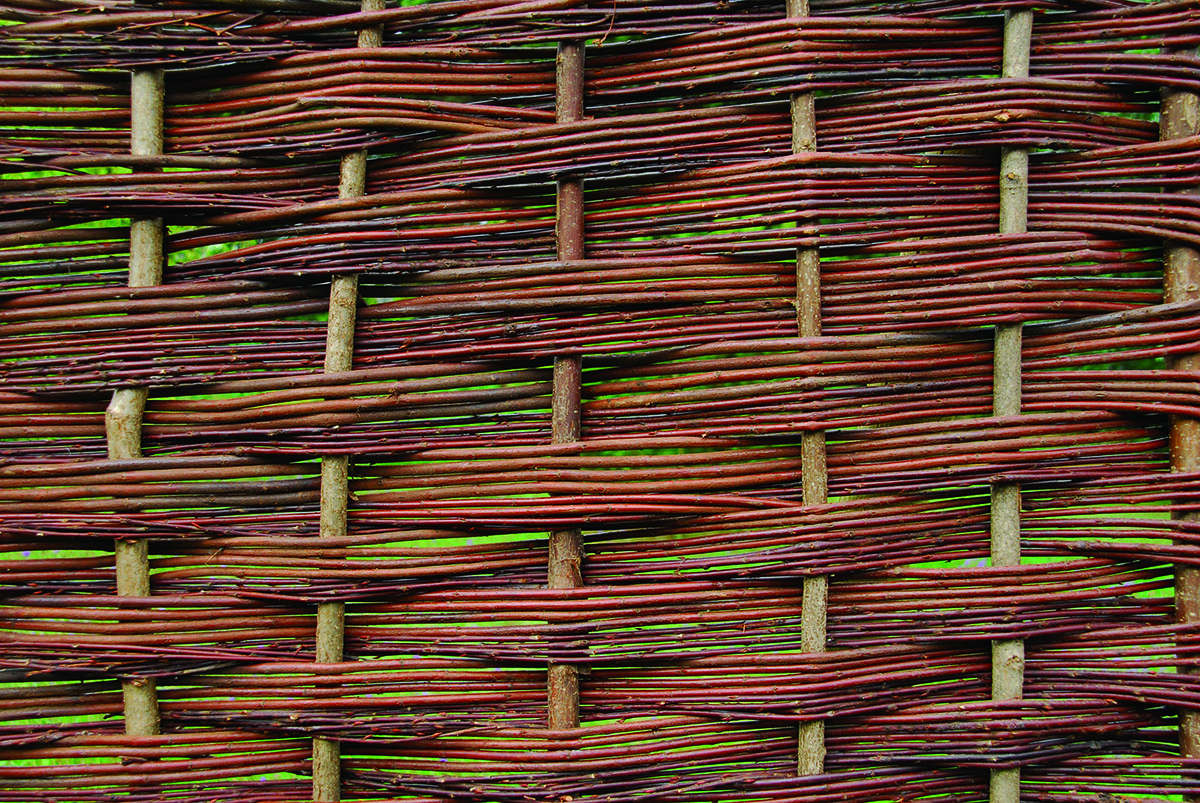

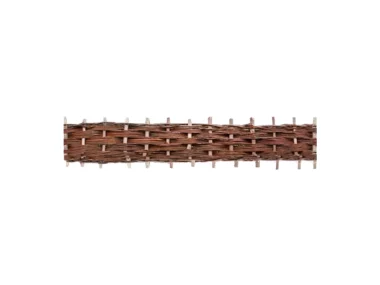
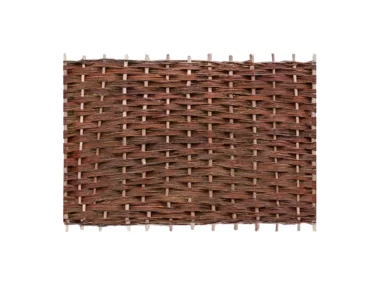
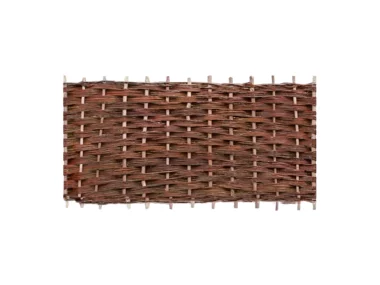
Two feet of willow does the same job as two feet of hazel and looks entirely different doing it. The rods are slim, the lattice close and regular, and the colour a deep red-brown rather than a soft grey. If your garden leans formal, or your house is anything other than a thatched cottage, willow is very often the better-looking choice.
At 60cm it is a genuine boundary. It reads clearly from a distance, it stops feet and paws taking shortcuts, and it holds a bed’s edge without the visual weight of a wall. Along the front of a house it gives an immediate lift. Inside the garden it separates a lawn from a wilder area, screens a low utility corner, or edges a raised vegetable bed with something considerably better looking than scaffold board.
Fresh panels are russet through to oxblood depending on the light, and they hold that warmth. For a boundary that steps back behind planting instead, our hazel hurdles are a soft silvery grey-brown.
One thing worth knowing
Willow is finer than hazel and a little less robust. If the run will take knocks from mowers, wheelbarrows or livestock, hazel is the tougher option. For borders, beds and ornamental boundaries, willow wins on looks. It also presents the same finished face on both sides — no rails, no posts showing next door — which quietly removes an argument on a shared boundary.
Fitting. 1.8m pointed UC4 posts at 6ft centres, one more than you have panels. Willow is finer than hazel, so draw the ties firm rather than fierce — enough to stop movement, not enough to bite into slim rods.
Four stainless steel cable ties per upright, eight per panel, threaded through the weave rather than around the outside.
Reviews
There are no reviews yet.