 Phone orders on 0208 088 2269/ £14.99 delivery for all orders
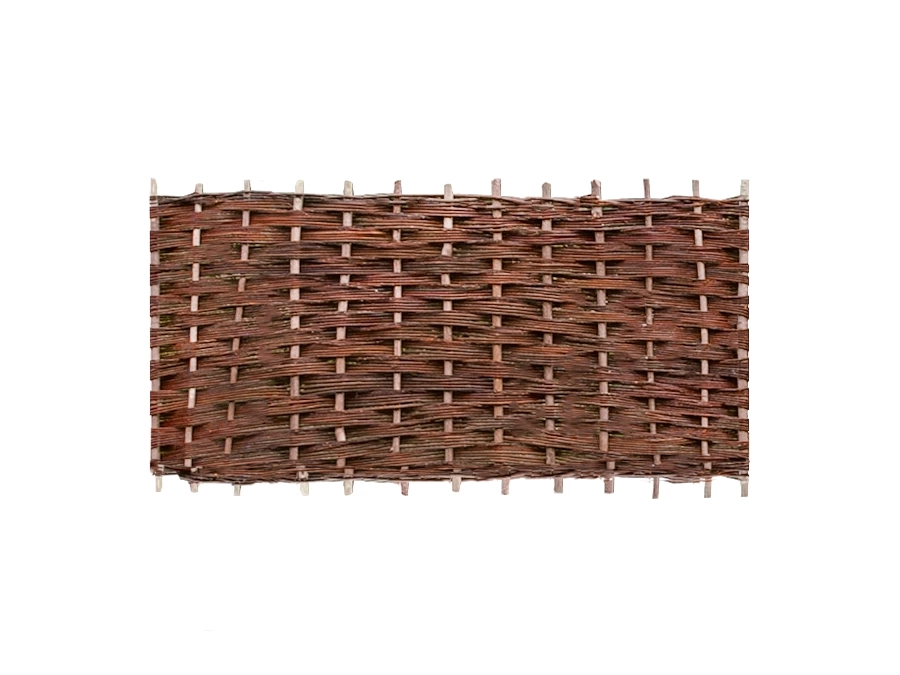
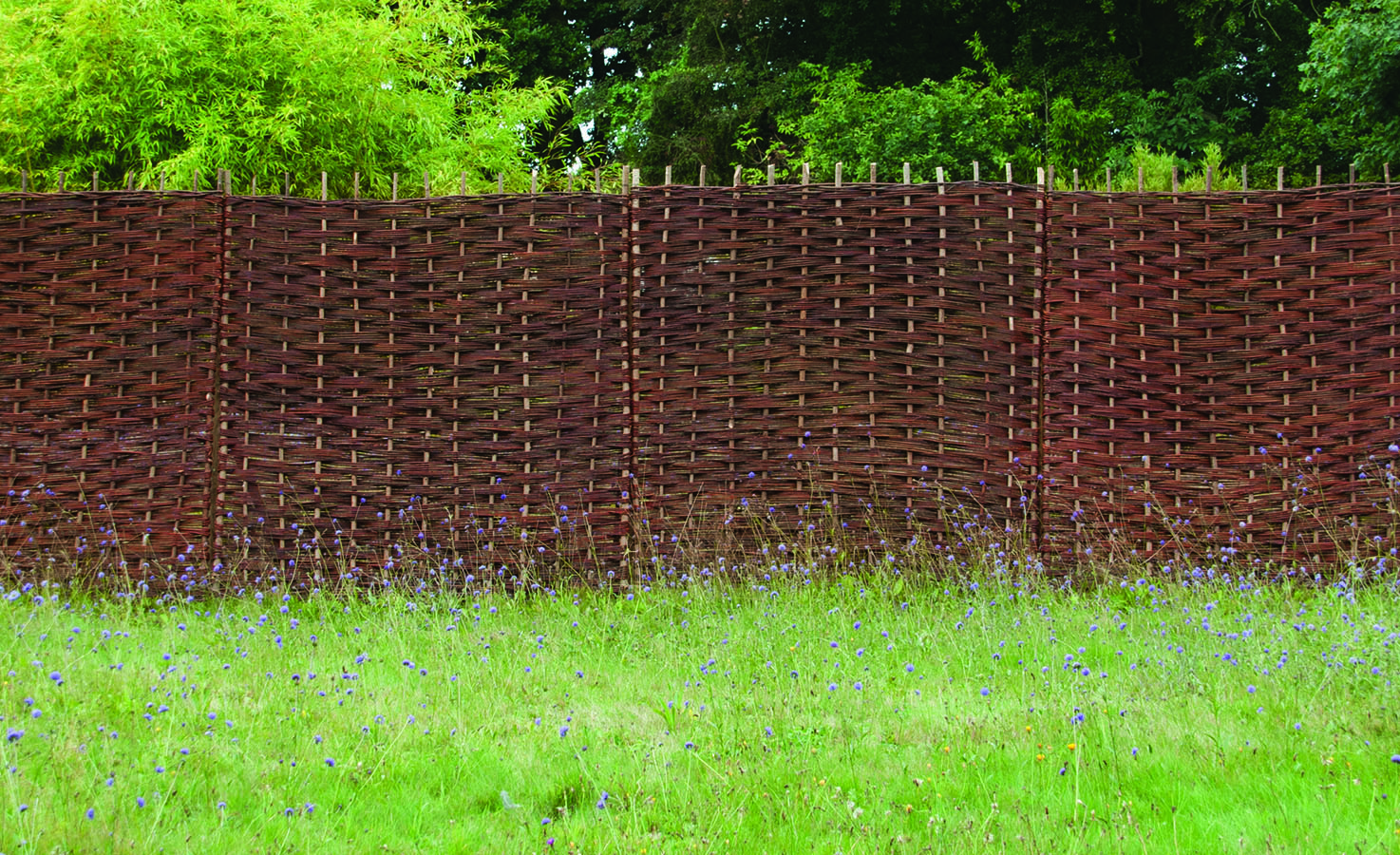
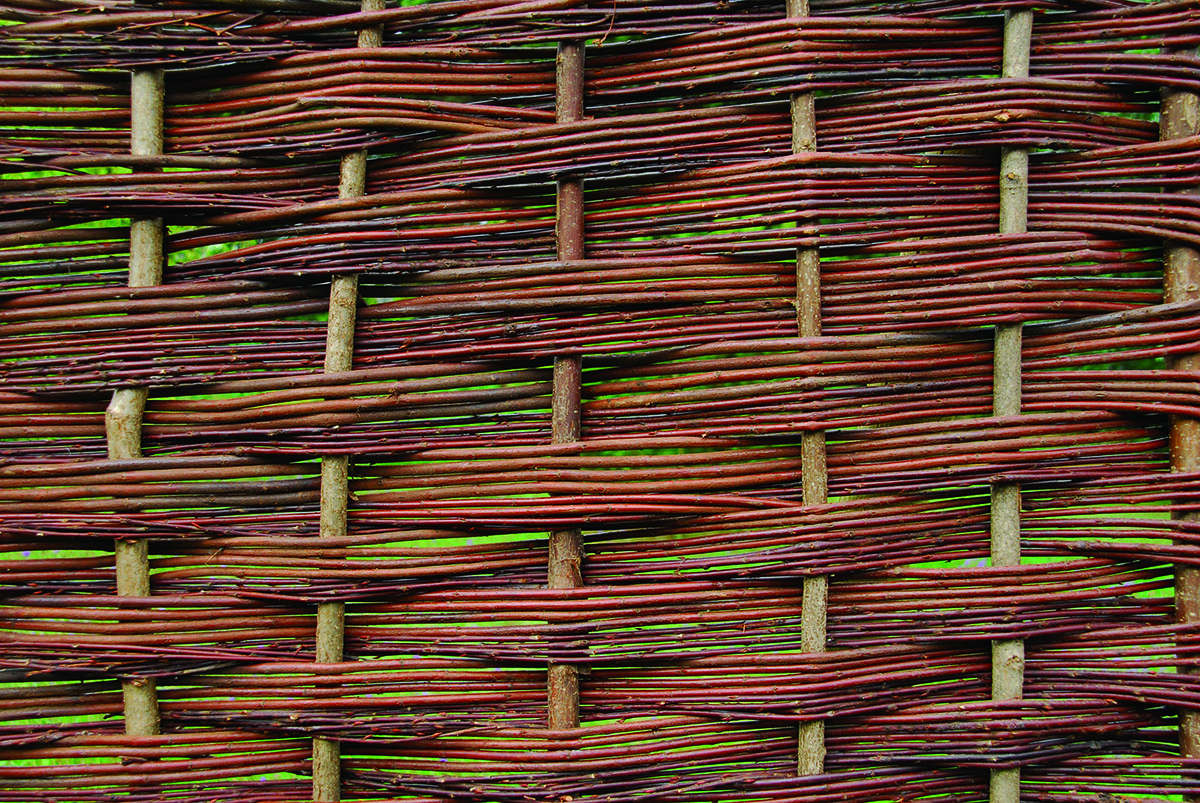

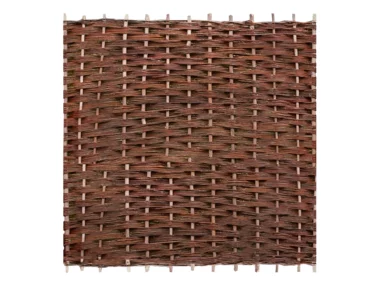
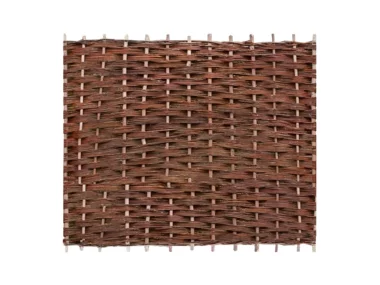
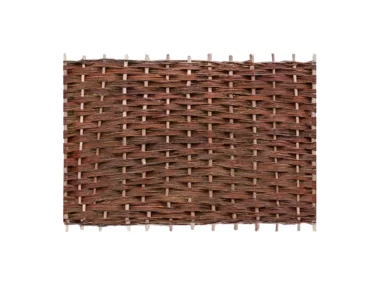
Three feet is the height gardens ask for most often, and in willow it is a particularly good-looking answer. The close, even weave gives an almost basketwork surface with none of the knobbliness of split hazel — and at 90cm, right in your eyeline as you walk the garden, that refinement shows.
It works hard for the money. A run along a boundary defines the plot without enclosing it. Set across a garden it divides the space into rooms and makes a long rectangular plot feel considered rather than merely long. Round a kitchen garden it keeps things tidy and contains a chicken or two. Along a drive it stops cars clipping the border. And unlike a solid panel of the same height it never darkens the bed in front of it.
The colour is a warm red-brown — russet to oxblood as the light moves — and it reads as a colour in its own right, lifting a dark corner where hazel would step back. Willow also looks identical from both sides, so a shared boundary needs no negotiation.
Why a hurdle beats a solid panel in wind
Because the rods are woven green, the weave tightens as it seasons rather than working loose. The structure is open, so wind filters through instead of loading the panel — a real advantage in an exposed garden, where a solid fence at this height will lean long before a hurdle does, and where the turbulence behind solid board does more damage to planting than the wind itself.
Fitting. Ties to the face of a 1.8m pointed UC4 posts, never into a slot, so a run can turn a corner or follow a fall without a saw coming out. Count one post per panel plus one.
Eight stainless steel cable ties per panel. Fifty to a pack covers six. Step-by-step photographs in our fitting guide.
Reviews
There are no reviews yet.