 Phone orders on 0208 088 2269/ £14.99 delivery for all orders
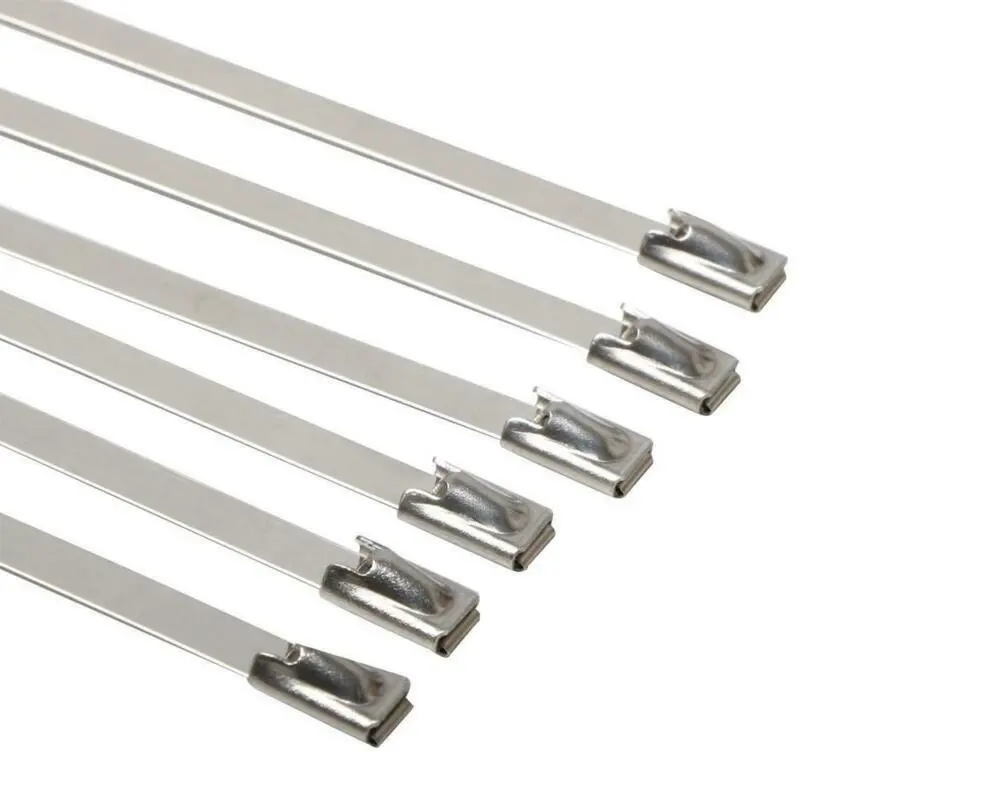

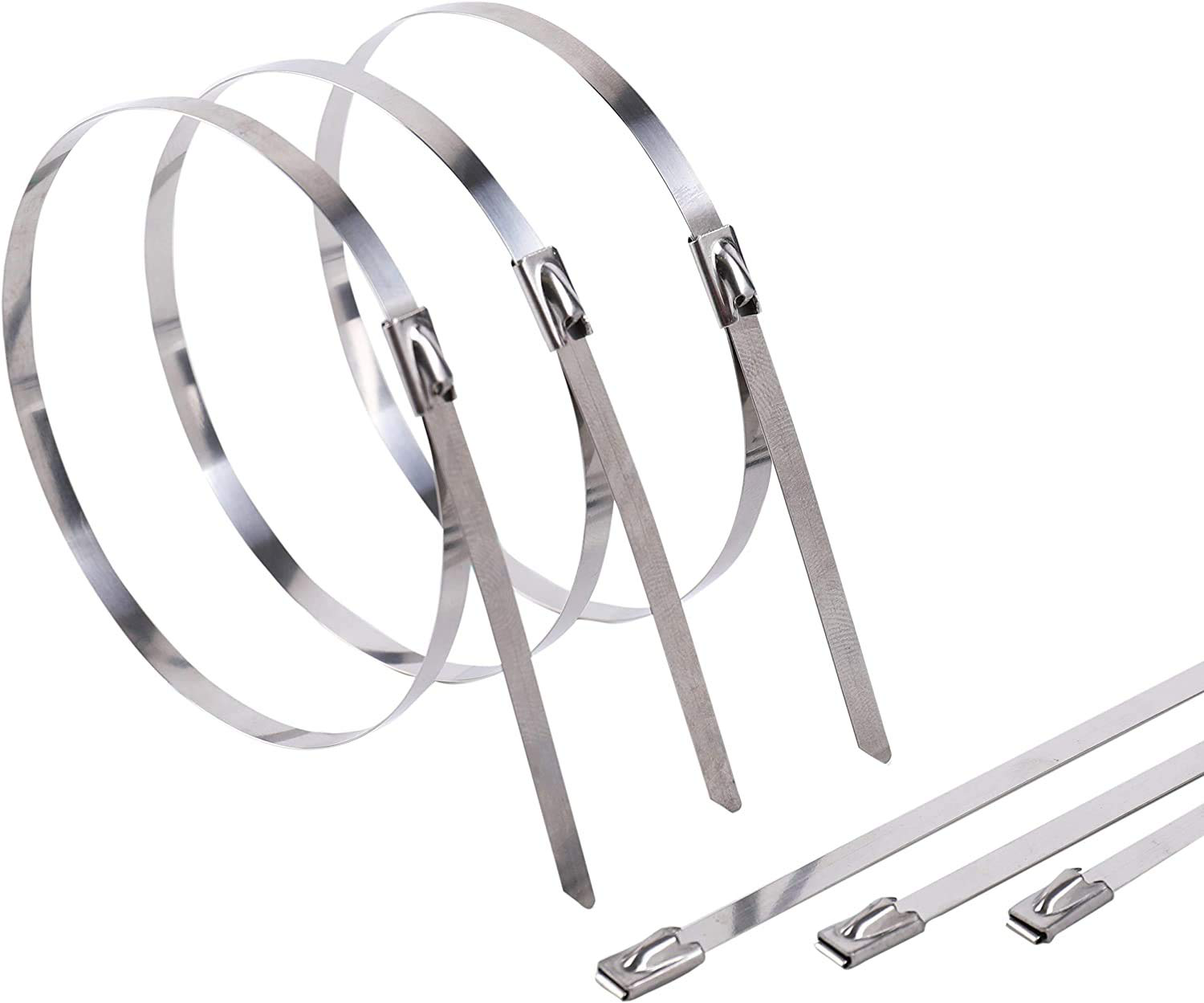

Ask anyone who fits hurdles for a living what they use and the answer is stainless cable ties. Not galvanised wire, which hardens where you twist it, works loose and eventually rusts through. Not screws, which split the uprights and leave the panel nowhere to move when the wind gets underneath it.
Why a tie and not a screw
A woven hurdle is not a rigid object. It holds its shape by tension, and in a gale it needs to give a little and come back. A tie threaded through the weave and pulled tight holds firm while allowing exactly that. A screw pins it, and something has to break instead — usually an upright.
These are proper stainless with a self-locking ball-bearing head. Thread, pull, and it holds — no tool needed, though pliers on the tail give a tighter finish and let you trim the end flush so nobody catches a hand on it. They will not corrode and they will not leave the orange streaks down a post that galvanised wire always eventually does.
How many to order
Four ties to each upright, so eight per 6ft × 6ft panel. Fifty in a pack fixes six full-height panels with two to spare. Shorter panels need fewer — on a 1ft or 2ft run, two or three per upright is ample, so a single pack goes a long way.
If you are ordering hazel or willow panels and posts, add a pack per six panels and you will have everything to fit the whole run on the day it arrives — rather than finding out at four o’clock on a Saturday that you are eight ties short.
Not just for hurdles. The same ties are the right answer for fixing trellis to posts, securing netting on a fruit cage, tying a rose in against a post, or running climbers along a wire. Anywhere you want a permanent hold that will not rust and will not need revisiting each spring.
Fitting a hurdle run from scratch? The sequence is photographed in our guide to installing hazel and willow hurdles.
Reviews
There are no reviews yet.