 Phone orders on 0208 088 2269/ £14.99 delivery for all orders
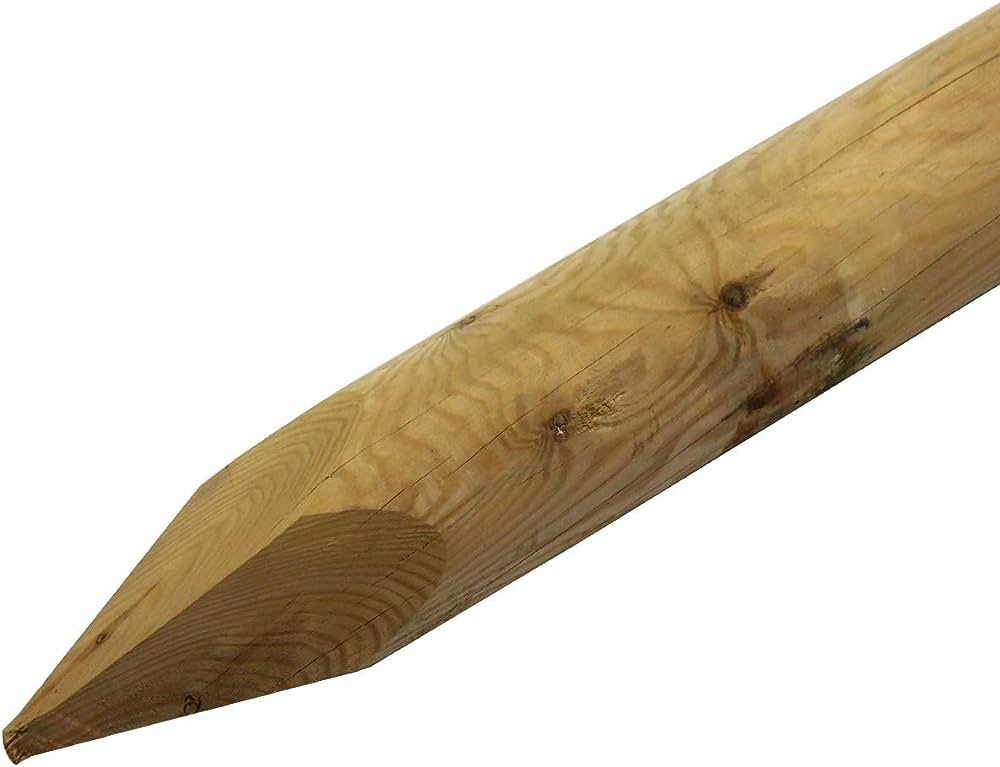
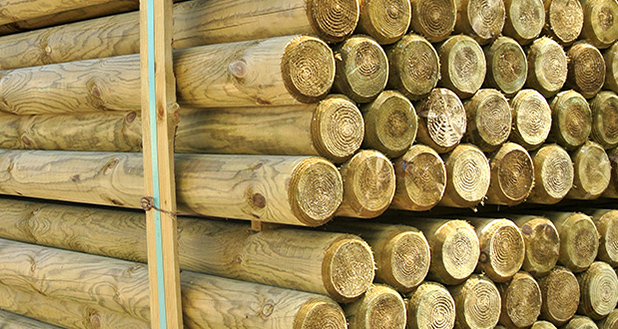
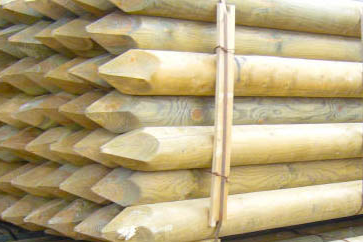

A hurdle is only as good as what holds it up, and this is the post we fit ours to. Machine-rounded to a consistent 100mm along its whole length, which matters more than it sounds: a uniform round post lets a cable tie bite at any height without slipping down a taper.
What UC4 actually means
UC4 is the use-class rating for timber in permanent contact with the ground — the wettest, hardest job a fence post ever does, and the one that kills undertreated posts within a few years. It is a deeper, heavier pressure treatment than the general-purpose green stuff sold for rails and decking.
Everything above ground stays dry and lasts. It is the buried 60cm that decides the life of a fence, and this is the grade for it. A post that fails takes the panel with it, so it is not the place to save four pounds.
How many will you need?
One at each end of the run and one at every 6ft join — so one post per panel, plus one. A four-panel run needs five posts, a ten-panel run needs eleven. Drive them into firm ground; on sand, wet clay or an exposed site, concrete them and let them set before you hang anything.
At 1.8m this is the post for hazel and willow hurdles up to 4ft high. Allow roughly 60cm in the ground, which leaves 1.2m standing — plenty for a 1ft, 2ft, 3ft or 4ft panel. For 5ft and 6ft, step up to the 2.4m post instead; there is no sense putting a full-height panel on a post without the depth behind it.
Fixing. Hurdles are tied to the face of the post rather than slotted into it, which is why a run can follow a curve or a slope with no cutting. Use four stainless steel cable ties per upright, eight per 6ft × 6ft panel, threaded through the weave and drawn tight round the post.
Not galvanised wire, which hardens where you twist it and eventually snaps. Not screws, which split the uprights. Full sequence in our fitting guide.
Reviews
There are no reviews yet.